



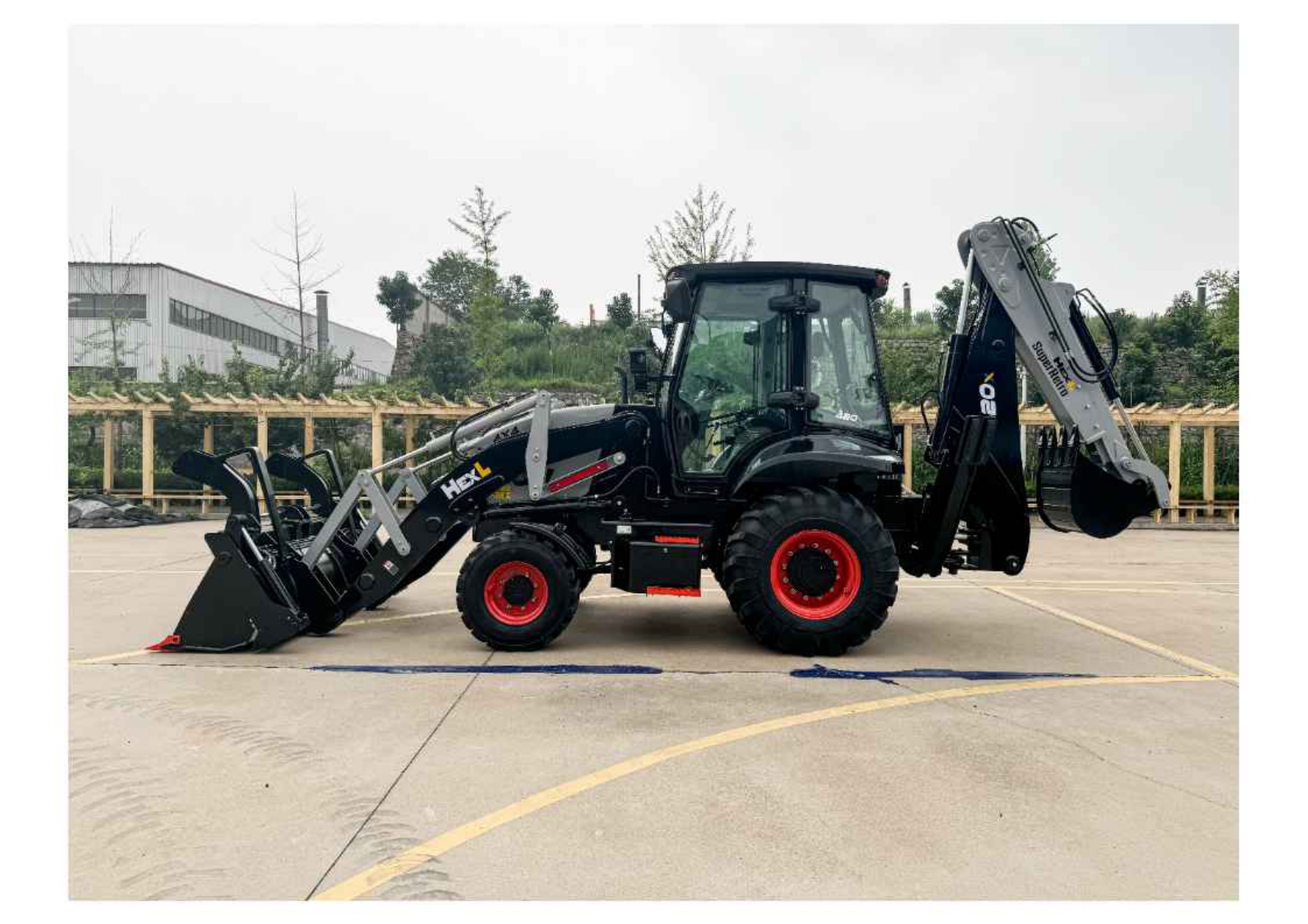
Imagine two operators operating their respective TLB machine (Tractor-loader-backhoe) side by side at a job site, digging or performing similar tasks. While one operator effortlessly fills a truck with fewer adjustments, the second operator constantly repositions the machine to get the right angle & perform his work better. So what’s the difference?
While many will instantly compare the skills of each operator, there also lies another secret. Backhoe efficiency also depends on the backhoe boom design & the nature of the dipper. While engines usually get the credit for power, the digging arm, boom & dipper perform the work.
That said, it’s important to understand how engineering geometry impacts performance, fuel efficiency & productivity of a TLB. This isn’t just about force, but also about physics. Therefore, understanding the design & engineering of the boom & dipper engineering is crucial for anyone looking to mine the best efficiency from their machines.
Backhoe Boom & Dipper Engineering Unearthed
The boom is among the most critical parts of a backhoe loader & it determines how productive the machine is. This heavy-duty arm is designed for lifting & carrying heavy loads, providing tremendous breakout forces & tear-out forces, offering high productivity we expect from a TLB machine. Today’s backhoe boom design offers strength, precision, & weight reduction for smoother operation and lower operator fatigue.
Leading TLB manufacturers use reinforced box-section booms made from high-tensile steel & lightweight alloys, which deliver strength without adding excess weight. A boom’s curvature is engineered meticulously, with an optimal design offering smoother lifting arcs, reduced hydraulic strain, & higher fuel economy.
Now, picture this: you are trying to lift a heavy stone with a bent lever. The wrong angle wastes energy, adds waste, consumes more fuel & hampers your productivity. In contrast, a precisely designed boom cuts those inefficiencies, making every lift more effective & every cycle count toward better backhoe efficiency.
Backhoe Boom Design: Straight Vs. Curved
The Good Old Straight Boom
Straight booms are mostly seen in older backhoe models, which feature older designs. Straight booms are strong, simple, yet highly reliable, and they shine in straight-line digging or lifting tasks. However, machines with this backhoe boom design need constant repositioning when working on complex jobs & areas with obstacles.
While straight booms offer direct power transfer, curved booms offer better efficiency & fuel savings as they require fewer repositioning.
The Excavator-Styled Or Curved Boom
Curved boom, also called excavator-styled backhoe boom design, is a staple among high-performance backhoe loaders for fair reasons.
1. Better Clearance & Visibility: The arched design allows operators to easily reach over obstacles & perform complex tasks like loading materials in high-deck trucks, without worrying about collisions. The higher clearance allows operators to park closer & doesn’t have to worry about the swing cycle.
2. Stress Distribution: From an engineering standpoint, the curved boom design helps in distributing stress more evenly on the structure. This geometric approach prevents fractures during heavy-duty work.
3. Better Efficiency: Since the curved boom design provides better reach over obstacles, it lowers the need for constant machine repositioning. Fewer tyre movements translate to better fuel efficiency.
Dipper Design & Reach Optimisation
The dipper arm is an essential part of the hydraulic system, attached to the boom. It decides how deep & far your TLB machine can dig. Dipper engineering is a complex task, as every millimetre of length matters for performance. A longer dipper offers wider reach & better clearance while loading trucks, while a shorter one offers higher breakout force to break materials.
TLB makers often seek the perfect balance between reach & durability. Reinforced joint tapering, precise pivot alignment, & enhanced weight distribution are included in the design strategy. Together, these details reduce cycle fatigue & improve hydraulic response. A modern dipper ensures optimised bucket angles across many positions, offering cleaner cuts & reduced fuel usage.
How Does It Enhance Efficiency In Reality?
In the end, modern backhoe boom & dipper engineering translates into real-life benefits. A TLB machine boasting an optimised boom & diaper geometry not only looks sleek, but also enhances productivity & saves money. The geometry working with the hydraulic helps the engine run at lower RPM, meaning the same result but lower fuel consumption.
A backhoe with a balanced arm geometry also benefits from reduced wear on pins & bushings & offers better reliability. When the hydraulic systems are paired with telematics, TLBs offer better response & provide better operator control at tough tasks.

