



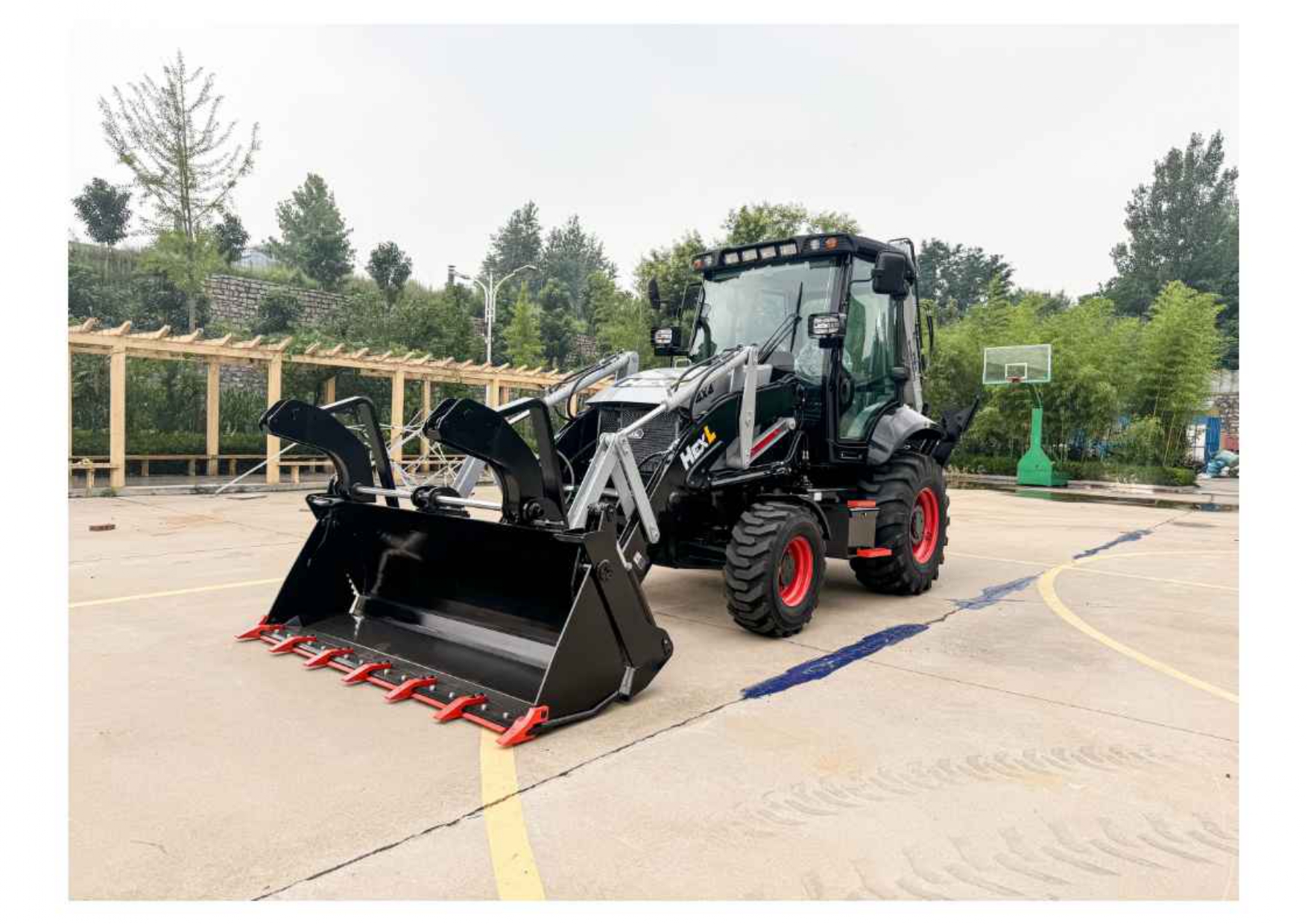
Backhoes or TLBs (tractor-loader-backhoe) are some of the most durable & versatile heavy construction equipment, working tirelessly in challenging tasks & key sectors. Their ability to work on challenging tasks causes wear & tear, stress & even issues (underlying & visible). This keeps the practice of backhoe maintenance vital for operators, contractors & fleet owners.
Imagine this scenario: you are working on a project & suddenly, your backhoe suffers from a blown hose or a seized engine. What could have been done by a $20 fix via regular inspection, now setting you back by thousands. In this blog, we’ll stress the importance of preventive maintenance & provide a 3-tier maintenance plan to extend the life of your backhoe parts.
Why Backhoe Maintenance Is Vital?
- Optimal Performance: Preventive maintenance helps the engine deliver peak performance & optimal fuel efficiency.
- Maximum Uptime: Checking & replacing key backhoe parts keeps your machine running & enhances uptime.
- Better Safety: Maintaining essential backhoe parts, like suspension, brakes, & stabilisers, helps operators work safely during challenging tasks.
- Avoids Expensive Repairs: Regular heavy construction equipment maintenance can keep critical parts like the engine, hydraulic system & transmission in good condition.
- Better Resale Value: Preventive maintenance can help your construction machinery and equipment stay in good condition & help it preserve the best resale value.
3-Step Backhoe Maintenance Plan
Daily Chores
- Fluid Checks: Evaluate the engine oil, coolant, & hydraulic fluid daily & refill if needed. This will help you avoid engine overheating & premature wear.
- Leak Inspections: Look around the machine carefully for puddles & oil, fuel or coolant drips. A small drip can rupture a hose tomorrow, & checking can help you prevent fluid loss & downtime.
- Wear Inspections: Check for wear in components like hoses, bushings, tyres, bucket teeth & attachments. This can help with better productivity & reduce downtime.
- Gauge Readings: Regularly check the gauge readings (oil pressure, temperature & RPM) & also look for weird noises. This helps you catch problems early just by hearing.
- Safety Checks: Please verify all essential safety systems, lights, alarms, beeper & brakes. This helps you safely operate the machine & maintain a safe work environment for your staff too.
Weekly Tasks
- Air Filter: Bring out the air filter & inspect it carefully. Check both the primary & secondary air filters. Chances are, the air filters may catch dust & debris after working in dusty conditions. A clogged filter suffocates the engine & lowers power delivery.
- Fuel/Water Seperator: Water harms modern fuel injectors, so open the valve to drain accumulated water from the fuel system.
- Belts & Hoses: Closely look for cracks, wear, fraying & rubbing on engine belts & hydraulic hoses. Remember, a $100 hose replacement can avoid costly repairs, hydraulic spills & repair the component that has become dry.
- Greasing: Pivot points, bushings, pins & components like boom, arms, dipper, etc, undergo heavy friction & stress. Keep them lubricated to avoid wear & damage.
- Batteries & Wires: While HexL backhoes use water & dust-proof connectors & reliable batteries, it’s important to check the wires & battery condition weekly. This helps you ensure the backhoe starts easily & all electrical components get the required power.
Monthly Tasks
- Fluids & Filters: Checking the fluids is important for all construction machinery and equipment. Evaluate the condition of engine lubricant, coolant, hydraulic oil, & transmission fluid monthly for proper fluid levels & contaminations. Replace fluids if necessary to avoid premature wear of internal backhoe parts.
- Check Brakes & Steering: Since heavy construction equipment is bulky, the brakes undergo heavy stress at work, so ensure they are in proper working condition. Inspect the steering column & make sure it’s smooth, has no excessive play or slop.
- Structural Welds: Inspect high-stress points on the boom, arm & frame. Look for signs of fatigue, cracks, bulges & other signs that look suspicious. Catching damage or cracks early can help you avoid catastrophic & structural failures at work.
- Hydraulic System: Check the hydraulic fluid level & the overall response of the system. Look for component wear, leaks & maintain a proper pressure.
- Bolts & Pins: Go through the bolts & pins carefully. Tighten them if they are loose to maintain structural integrity.
- Cooling System: Check coolant levels & radiator fins for debris. Clean if needed to prevent overheating.

